Tlatoani: the Aztec word for the one who speaks
Before it meant emperor, it meant orator. The Mexica didn't crown the strongest — they crowned the one whose words could move a people.
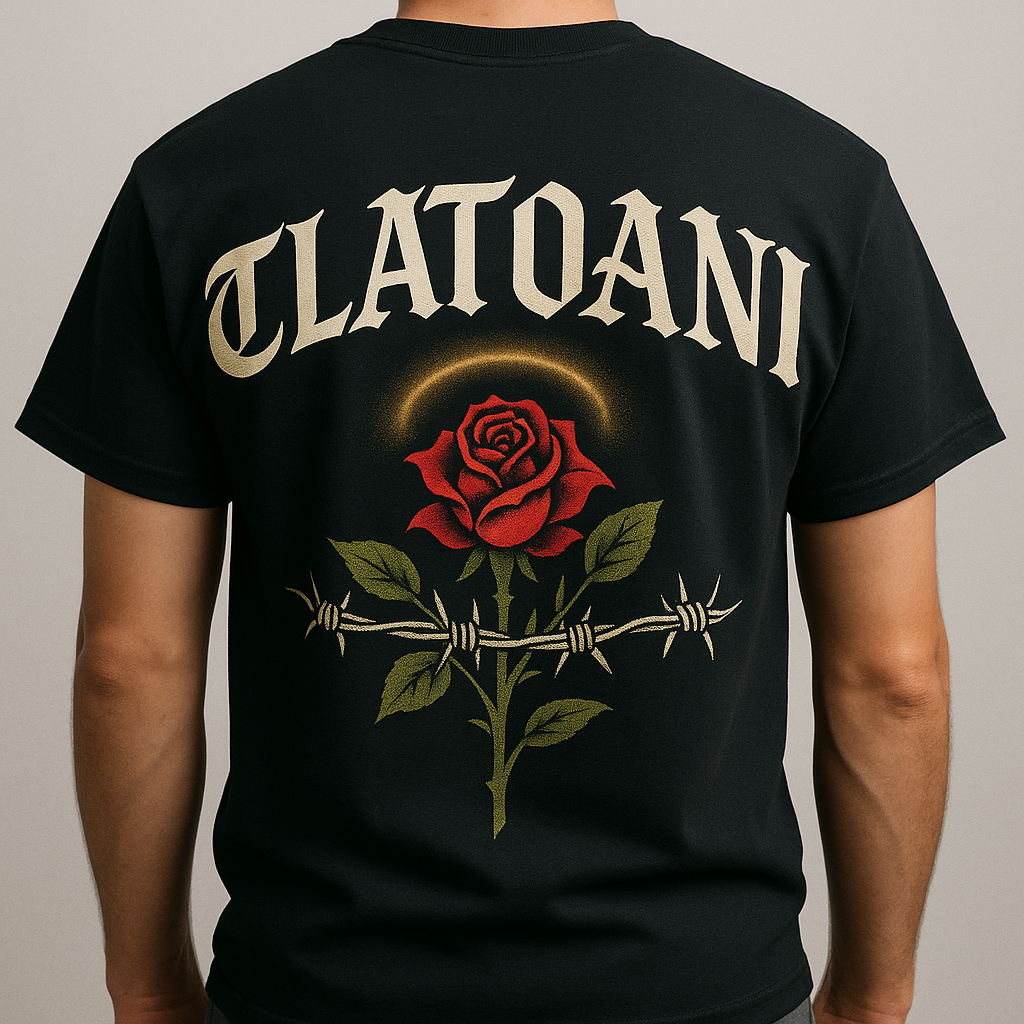
Tlatoani (tlah-toh-AH-nee) comes from Nahuatl, the language of the Aztec, or Mexica, people — still spoken by more than a million people in Mexico today. It's built from the root tlahtoa, "to speak." A tlatoani, literally, is "one who speaks."
That's not a small thing. The Mexica could have named their ruler after war, after blood, after gold. Instead the word for their highest leader was rooted in speech. The title given to the supreme ruler of Tenochtitlan — the man Spaniards would call "emperor" — was Huey Tlatoani: the Great Speaker. Moctezuma was a Huey Tlatoani. So was Cuauhtémoc, the last one, who chose to speak defiance to Cortés rather than beg.
Why "the one who speaks" meant power
In a civilization that prized rhetoric and poetry as the highest arts, to speak well was to lead. The nobility were trained in the huehuetlahtolli — the "ancient word," long passages of formal wisdom recited at births, deaths, and coronations. A ruler proved himself not only on the battlefield but with his tongue: the one who could name things truly, counsel wisely, and carry the people's voice.
Your voice is the oldest power you own. Long before the crown, there was the word.
There's something worth carrying in that. In a world that rewards the loudest and the richest, the Mexica reserved their highest title for the one who could speak — truly, carefully, for others. Not noise. Not volume. Command of the word.
Why we drew it
Tlatoani on the chest is a reminder to use the oldest power you've got. Say the true thing. Speak for the ones who can't. Blackletter meets Nahuatl — old Europe's lettering carrying an older-than-Europe idea. That collision is the whole brand.
Tlatoani — Drop 001
Hand-drawn blackletter on heavyweight garment-dyed cotton. Limited run, printed to order.
See the Drop